Why Australia's Wildlife Filmmaking Scene Is a Must-Explore for Documentarians
Unique Ecosystems in Australia
Diverse Habitats Explored
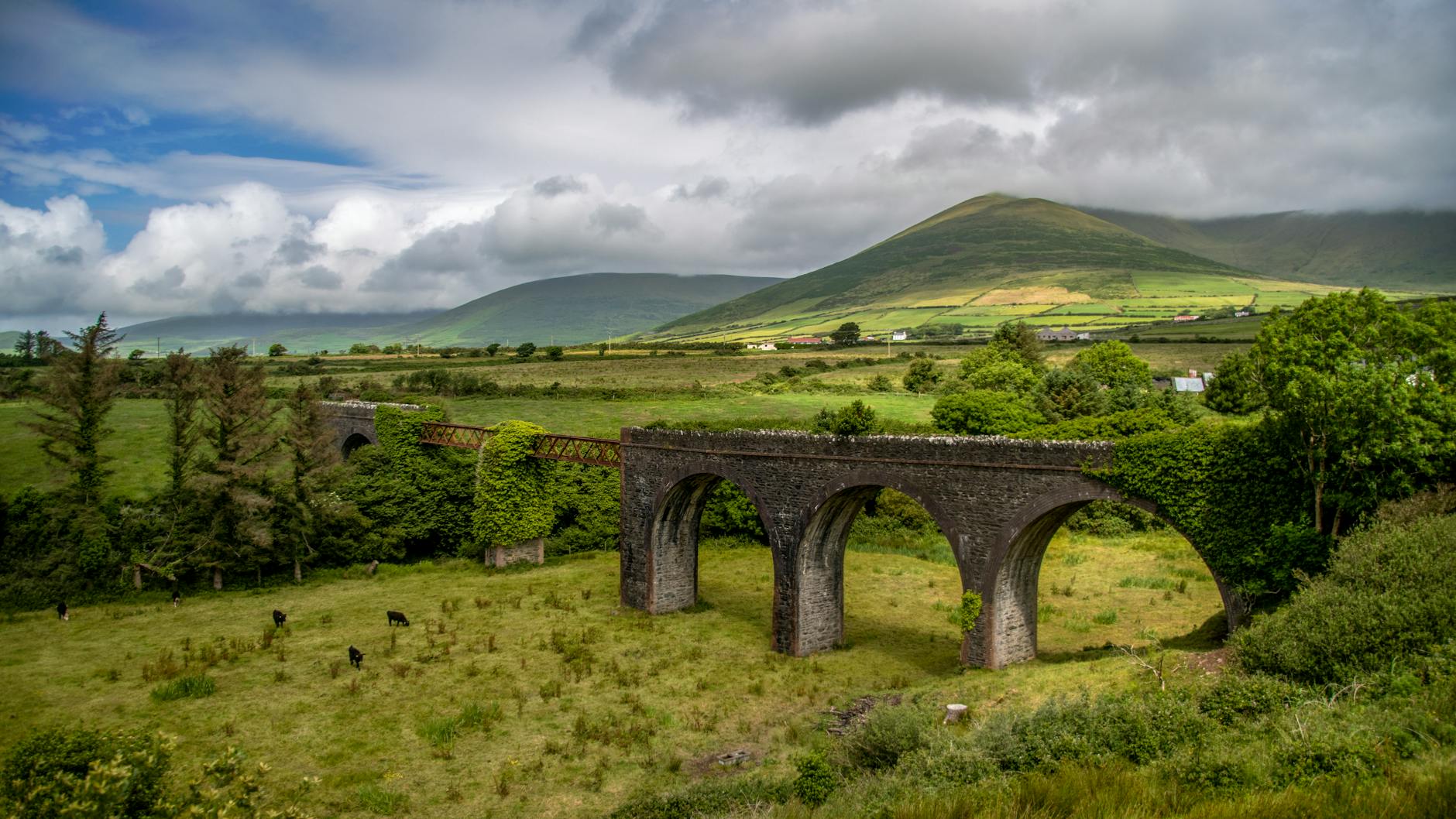
Australia presents an awe-inspiring tapestry of unique ecosystems, each offering a distinct canvas for understanding biodiversity's intricate dance. During my wanderings through the astounding landscapes of Mount Coot-tha's scenic trails, I've witnessed how diverse habitats nourish varied life forms. From coastal wetlands teeming with birdlife to the distinct eucalyptus forests that house charismatic koalas, Australia's environments are vital conservation havens that echo the heartbeat of the planet.
Rare Wildlife Encounters
Engaging with Australia's wildlife delivers moments of unexpected enchantment, often reminding me of ventures into the heart of a south africa safari. I recall observing a platypus gliding gracefully in a secluded stream, much like spotting the elusive leopard in an african safari. These encounters provide rich opportunities to gather insights into behavioral patterns that inform effective conservation strategies.
Conservation Hotspots
Australia's ecological sanctuaries are essential for preserving its distinctive flora and fauna. They are reminiscent of renowned south africa tours, which aim to protect Africa's natural treasures. At the heart of this mission are regions like Queensland's Daintree Rainforest, safeguarding ancient ecosystems. Visits to such sites offer profound lessons in the enduring resilience of nature, reminding us of our collective responsibility to protect these hotspots for future generations.
Understanding Australia's ecosystems not only captivates but deepens our commitment to global conservation. Each step through its wilderness empowers us to enact meaningful change on both a local and international scale.
Filmmaking Techniques
Capturing Natural Behaviors
Filming wildlife is an art defined by patience, precision, and a deep understanding of natural behaviours. Here in the vibrant landscapes of Southern Africa, for instance, capturing the grace of animals on african tours requires blending into the environment. Observing creatures quietly from a distance allows you to document genuine interactions, offering a glimpse into their world. I find that anticipating animal movements and understanding their habitats are essential when trying to capture these candid moments on film.
Innovative Equipment Usage
Incorporating modern technology is imperative for wildlife filmmaking. Whether you're embarking on zimbabwe tours or the rugged terrains of Antarctica, the latest cameras and drones offer filmmakers unprecedented access to hard-to-reach angles. In my experience, using a tripod with remote controls provides stability and allows the capturing of scenes without disturbing the subjects. Moreover, GoPro cameras are invaluable for up-close underwater shots, showcasing marine life in ways previously impossible. Exploring equipment options at venues like the Queensland Museum's natural history exhibits can inspire innovative shooting ideas.
Tips for Filming in Remote Areas
Filming in remote areas poses unique challenges, demanding comprehensive preparations. While embarking on antarctica travel, for example, carrying additional spare batteries is crucial due to the cold weather's impact on battery life. Establishing a routine to maintain equipment is essential, given the harsh conditions. Waterproof gear and protective cases are lifesavers when dealing with unpredictable elements. At Mount Coot-tha's scenic trails, I've learned the value of acclimatising to unpredictable weather patterns, reminding me of the importance of flexibility and adaptability in such endeavours.
Collaboration Opportunities
Working with Local Experts
Collaborating with local experts is essential to understanding the environmental nuances of any region. These professionals, akin to Brisbane's network of conservationists, often possess invaluable insights into wildlife behaviours, habitats, and effective conservation strategies. A personal observation during a visit to Lone Pine Koala Sanctuary highlighted the critical role of local guides in showcasing ecological fragility and the significance of preservation efforts. Leveraging such expertise allows for a richer, more informed perspective.
Joining Wildlife Projects
For those keen on contributing to biodiversity preservation, joining wildlife projects provides a hands-on approach to conservation. Whether it's engaging in local efforts or aiming broader with botswana tours, these projects often align with global sustainability goals. Participation not only enhances ecological impact but also strengthens one's understanding of complex ecosystems.
Networking with Documentarians
Networking with documentarians, especially those focused on environmental storytelling, can amplify your impact in wildlife conservation. Engaging with peers who are documenting crucial habitats through arctic cruises or similar explorations fosters a community dedicated to ecological awareness. Collaborations in this arena can lead to projects that spotlight environmental issues effectively, inspiring broader action within the conservation community.
Challenges in the Field
Unpredictable Weather Patterns
In the ever-changing climate of filming locations like South America and Africa, the weather can significantly impact environmental storytelling. Both regions offer enticing opportunities for wildlife conservation through south america holidays and africa tours, where observation of exotic species and diverse ecosystems is unparalleled. However, the weather in these areas can be notoriously unpredictable, ranging from sudden downpours to extreme heat, making it challenging to capture footage that does justice to the natural beauty. During my own excursions, there were days when rainstorms in the Amazon halted filming entirely, requiring us to adapt our schedules rapidly to make the most of clearer days.
Ethical Filming Practices
As someone passionate about ethical conservation filmmaking, ensuring that filming practices do not disturb wildlife is critical. It's essential to minimise any impact on animals and their habitats while capturing their unique behaviours. This involves understanding animal behaviour, keeping a respectful distance, and relying on telephoto lenses to avoid intrusion. It is these small actions that uphold the integrity of conservation filmmaking.
Managing Equipment Logistics
Navigating the logistics of transporting and maintaining film equipment in remote locations poses significant challenges. The rugged terrains of both continents can be harsh on equipment, demanding careful planning and robust packaging. It's vital to ensure all gear is weatherproof and easy to carry through difficult landscapes. Personally, I've found it crucial to have backup options for essential gear, especially when filming in remote areas where repairs are impossible. This foresight can make the difference between capturing essential footage and missing key moments.
Best Practices
Expedition Preparation
In the heart of expedition preparation, it’s essential to anchor yourself in a meticulous approach. Drawing from experiences trekking through Mount Coot-tha's scenic trails, I’ve learned that bushcraft survival skills can be crucial in preparing for long ventures into Australia’s captivating wilderness. Equip yourself with essentials such as weather-appropriate gear, navigation tools, and sustainable food supplies. When documenting wildlife, having a portable, sturdy camera tripod is indispensable for capturing steady footage in uneven terrains.
Crafting Compelling Narratives
Harnessing the power of storytelling requires an artefact of creativity and authenticity. As one strolls through the Queensland Museum's natural history exhibits, it becomes evident that every species has a unique narrative. Sharing stories of success, like how collaborative efforts have rejuvenated koala populations at the Lone Pine Koala Sanctuary, illuminates the path toward effective conservation. Focus on intertwining human emotion with wildlife tales to resonate deeply with your audience, ensuring the message of preservation is loud and clear.
Advancing Conservation Engagement
Promoting conservation efforts begins with fostering community awareness. Engage with animals documentaries to gain insights into successful advocacy conversations. When filming in Australia’s ecosystems, it's vital to emphasize the significance of each captured moment to underscore the necessity of preservation. Host screenings followed by educational discussions to inspire actionable change, fueling a collective passion for protecting our precious habitats.
Blending these practices with personal passion and ecological insight fortifies our mission: sustaining the delicate balance of nature.